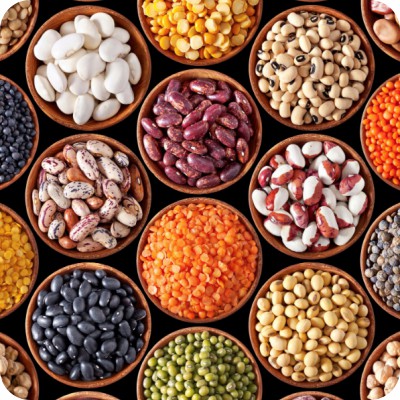
Edible Seeds
Explore chia, flax, pumpkin, sunflower and watermelon seeds, along with simple ways to enjoy them. Find recipe inspiration, everyday serving ideas and tips for making seeds part of a varied diet.
I’m an edible seed person →
Some seeds nourish your everyday rituals. Others invite you to get your hands in the soil and grow something of your own. Whichever path feels like you, there’s a little inspiration here to help you begin.
Choose what you’re curious about today. You can always explore both.
Explore chia, flax, pumpkin, sunflower and watermelon seeds, along with simple ways to enjoy them. Find recipe inspiration, everyday serving ideas and tips for making seeds part of a varied diet.
I’m an edible seed person →
Love the first green shoot, fresh leaves and the joy of growing at home? Discover beginner-friendly kitchen-garden ideas, seasonal planting notes and ways to make a small space feel alive.
I’m a garden hobbyist →Seeds remind us that meaningful habits don’t have to begin big. A spoonful added to breakfast or a pot of herbs on a sunny sill can be a simple, satisfying start.
Wake Up Seed brings these two experiences together: ideas for eating seeds and inspiration for growing them. Browse at your own pace, check product details carefully, and choose what suits your home and routine.
Choose your first seeds→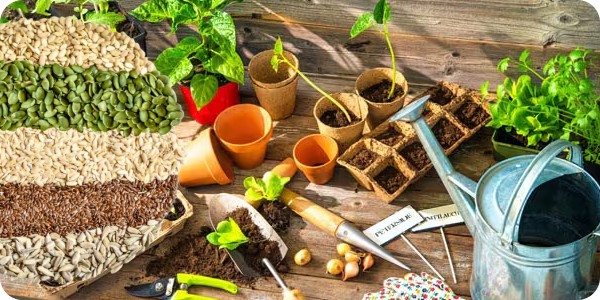
Build a simple seed routine around the foods you enjoy, your taste preferences and the way you like to prepare meals. You do not need every variety at once—start small and keep it enjoyable.
Choose seeds that fit naturally into meals you already make.
Look for clean, food-grade seeds from a reliable seller. Check the ingredient list, packed date, best-before date and storage instructions. Avoid packs that are damp, damaged or smell stale.
Buy a modest quantity first so you can use it while fresh.
Introduce one variety at a time and begin with a small serving. Drink enough water, especially when adding fibre-rich seeds such as chia or flax.
Choose plain, unsalted options for everyday use and vary your food choices across the week.
A kitchen garden can begin with one pot, a sunny windowsill or a small balcony. Choose seeds for the space and time you have—not the garden you imagine you need.
For compact pots, consider herbs and quick-growing leafy greens. Larger containers can suit crops such as chilli or tomato when sunlight and support are available.
Check the mature plant size and recommended pot depth before buying.
Observe how many hours of direct or bright light your corner receives. Read the packet for suitable sowing season, temperature and sunlight needs; local conditions matter.
Choose a few varieties that suit the current season rather than sowing everything together.
Choose seeds labelled for sowing, with clear crop variety, sowing depth, spacing, germination guidance and packed date. Buy from a trusted seller and store unopened packets as directed.
Start with two or three easy crops and learn as you grow.
New to Wake Up Seed? Here are quick answers to help you explore the website.
Wake Up Seed brings together two themes: edible seeds for everyday food ideas, and kitchen-garden seeds for growing at home. Visit the Edible Seeds and Kitchen Garden pages to explore each topic in more detail.
Not necessarily. Edible seeds featured for food are intended for eating when sold as food-grade products. Seeds sold for gardening are intended for sowing. Always check the product label and never assume a planting packet is suitable for consumption.
Yes. A windowsill, balcony or a few containers may be enough for a small start, provided the plants receive suitable light, water and drainage. Choose varieties that match your available space.
This website shares information and may link to products offered by third-party retailers. Check the retailer’s product page for current price, availability, delivery details and return policies.
Some links may be affiliate links. If you make a qualifying purchase through them, the website may earn a commission at no additional cost to you. Any applicable disclosure is provided on the website.
No. Content is for general educational inspiration. Food needs, growing conditions and results vary. Read product and seed-packet instructions, and seek qualified advice when you need guidance for a specific health or growing situation.
You can use the Contact link in the website footer to send an email.